Comforters are layered bedding designed to add warmth and a soft, insulating surface while helping make a bed more comfortable. Their usefulness depends on factors such as loft, breathability, weight, and how well they suit room temperature and personal sleep preferences. Comforters are commonly paired with sheets, pillows, and other bedding.
When considering a comforter, pay attention to its fill, construction, and care requirements. Evenly distributed fill can support consistent coverage, while breathable materials may help reduce heat buildup during sleep. Choosing a suitable level of warmth can also make bedding more adaptable across seasons and complement the feel of organic mattresses.
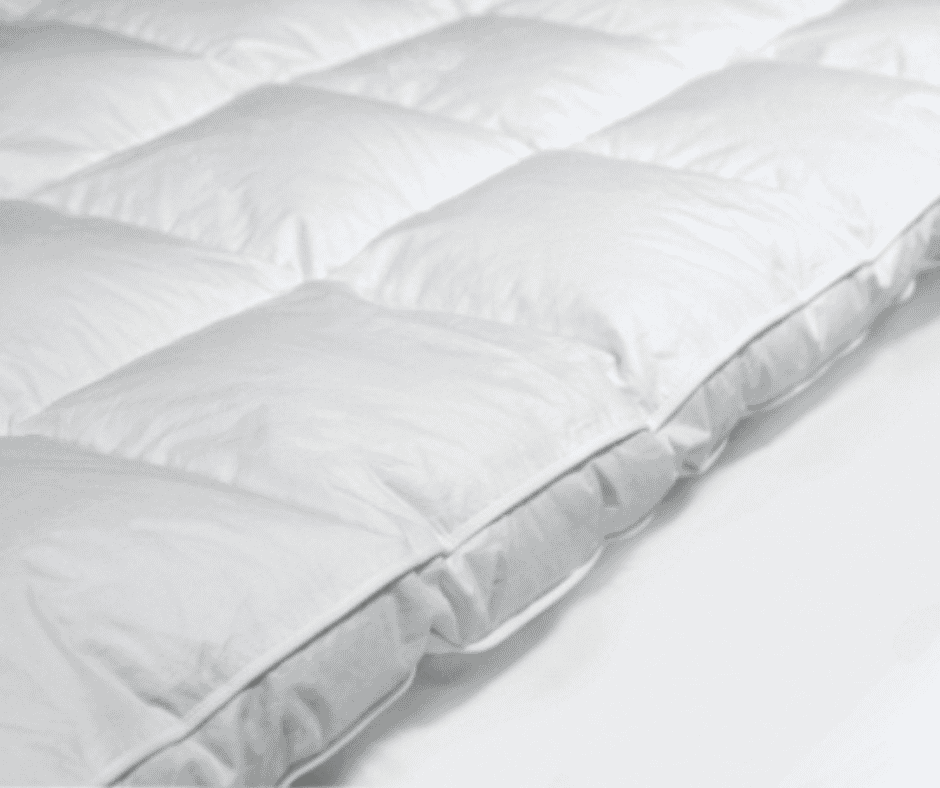
Hypodown® Bed is identified as a choice for elevating a mattress with breathable, full-body comfort. Its lofted design provides a cushioning layer across the sleep surface, helping create a softer, more enveloping feel. This functional role can be relevant to people who want added comfort without changing their mattress.
Comforter and bedding choices work together: sheets affect the feel next to the skin, pillows support the head and neck, and a comforter contributes warmth and coverage. Considering these components as a system can help maintain comfort throughout the night. The same bedding principles apply when preparing organic crib mattresses, with age-appropriate safety always essential.
To assess whether a comforter suits a particular sleep setting, consider climate, seasonal temperature changes, desired weight, and cleaning instructions. Breathability and fill distribution are especially useful characteristics to understand when comparing bedding options. These practical factors help clarify how a comforter may complement organic mattresses, sheets, and pillows in a coordinated sleep environment.
 Bedding