In a world where every sleep detail matters for your child’s well-being, the crib mattress stands as the first silent guardian of comfort, safety, and environmental mindfulness. The term organic in crib mattresses isn’t merely marketing—it signals a commitment to materials and processes that minimize chemical exposure, support healthy sleep environments, and honor transparent standards. As you embark on this search, think of the crib mattress as a foundation for countless firsts: the first nap, the first roll, the first deep breath of a peaceful night. Your choices matter, and they extend beyond the cradle into the broader conversation about sustainable living.
This guide expands on the essential elements a consumer should consider: certifications that verify claims, materials that influence breathability and comfort, and practical care routines that preserve safety and longevity. We will navigate common trade-offs, such as cost versus durability, and discuss how to verify that a mattress truly meets the highest standards. While every family has unique needs, the core checklist below helps you establish a baseline of safety, quality, and environmental responsibility.
1) Foundations: What makes a crib mattress “organic”?
At its heart, an organic crib mattress is defined not by a single feature but by a holistic set of materials, manufacturing practices, and third-party verifications. The most meaningful signals come from recognized certifications that independently assess the material composition, chemical exposure, and overall safety profile of the product. A truly organic crib mattress typically emphasizes organic cotton covers or cores, natural or low-toxicity flame-retardant strategies, and minimal synthetic foams or adhesives.
Key concepts to understand include:
- Natural and organic materials: organic cotton fabrics, natural latex (Dunlop or latex blends), natural wool, coconut coir, and other plant-based cores that reduce synthetic foams and off-gassing.
- Fire safety without harmful additives: some brands use natural flame retardants like wool, latex, or wrap techniques, while others rely on barrier fabrics or compliant formulations to meet flame-retardant standards without compromising indoor air quality.
- Certifications as a trust signal: third-party standards provide verifiable benchmarks for materials, processing, and safety. Look for recognized marks that align with infant sleep safety and textile integrity.
When evaluating any crib mattress with organic claims, begin by examining the core material. If the core uses latex or coconut coir, confirm whether those materials are sourced and processed in certified facilities. For covers, organic cotton or wool are common, with a preference for fabrics that avoid chemical finishes and dyes that could irritate sensitive skin. Always check for a complete materials list and any potential off-gassing statements. A transparent product will publish a full bill of materials and clearly explain any exclusions or exceptions to the organic promise.
2) Certifications to trust: decoding the signal
Certifications serve as the most practical compass for busy parents. They are independent touchpoints that help you verify what you’re buying without having to inspect every fiber under a microscope. Here are the certifications most relevant to organic crib mattresses and why they matter:
- GOTS (Global Organic Textile Standard): This is the gold standard for organic textiles, including fabrics used in crib mattresses. A GOTS certification on textile components—such as organic cotton covers—indicates organic fiber content, restricted use of chemicals, and socially responsible manufacturing practices.
- GOLS (Global Organic Latex Standard): For latex cores, GOLS confirms that the latex is organic with controlled processing and sustainable sourcing. It is a key signal for families considering Dunlop or Talalay latex cores.
- OEKO-TEX and Made Safe: These certifications address the absence of harmful chemicals in textiles and materials, offering additional assurance about consumer safety and skin compatibility for babies.
- CertiPUR-US (where applicable): If a mattress uses foam components, CertiPUR-US certification indicates that the foam meets certain standards for content, emissions, and durability, though many organic crib mattresses minimize foam altogether in favor of latex, wool, and coir.
- Flammability standards and safe formulations: In many regions, mattresses must meet regulatory flammability requirements. Look for explanations of how a product achieves flame retardancy without exposing babies to unnecessary toxins, whether through natural barriers or compliant chemical formulations.
When you encounter a mattress claim, choose products that openly disclose their certification status. A credible product will not only show logos but also provide access to certification numbers, issuing bodies, and, ideally, a public-facing statement or certificate you can verify. If a brand angles toward a single certification while omitting others, view it as a prompt to request additional documentation or consider alternatives. The appetite for trust is elevated when brands invite scrutiny and provide transparent documentation.
3) Materials: what to expect in an organic crib mattress
Organic crib mattresses commonly employ a combination of natural fiber cores and protective outer layers designed to support breathability, temperature regulation, and moisture management. Here are the core material archetypes you’re likely to encounter, with notes on what they offer and potential trade-offs:
- Organic cotton covers: Soft, breathable, and skin-friendly, these covers form a gentle interface with a baby’s delicate skin. They are often paired with internal cores that emphasize natural materials.
- Natural latex cores (Dunlop or Talalay): Durable and breathable, latex cores provide responsive support and resistance to mold and dust mites. GOTS or GOLS certification is a strong signal of organic integrity in latex components.
- Wool layers: Natural flame retardancy and temperature regulation make wool a versatile component for crib mattresses. Wool also tends to help manage humidity, supporting a drier sleeping environment for infants.
- Coconut coir or natural fibers: Coir provides a supportive yet buoyant base that complements softer top layers. When paired with organic cotton and latex, it contributes to a balanced feel and airflow.
- Minimal or no synthetic foam: Organic mattresses often minimize polyurethane or other petrochemical foams to reduce chemical exposure and improve air quality.
Durability is a consideration for mattresses designed for toddlers who grow quickly. A well-constructed organic crib mattress should maintain shape and support over several years, with removable, washable covers and straightforward care. If a mattress includes a fire barrier, confirm that it relies on natural materials (such as wool) rather than petrochemical foams, and verify whether any synthetic elements are present and clearly disclosed.
4) Care and maintenance: preserving safety and longevity
Care routines are not only about cleanliness but also about preserving the integrity of organic materials and safeguarding against irritants. The following practices help you maximize safety and extend the life of an organic crib mattress:
- Use a properly sized, certified organic crib mattress protector that is itself GOTS-certified or compatible with the mattress materials. Protectors reduce moisture exposure and staining, preserving the core materials and reducing the risk of mold growth.
- Follow washing instructions for the cover. Many organic cotton covers are removable and machine washable on cold or gentle cycles. Avoid high-heat drying that can cause shrinkage or fabric fatigue unless specifically advised by the manufacturer.
- Air out the mattress regularly. If a removable cover is present, remove it periodically to air out the core and refresh fibers. Avoid direct sunlight on the core for extended periods as certain natural materials can degrade with excessive sun exposure.
- Rotate and flip where applicable. Some dual-firmness designs offer medium and firm sides that you can flip to maintain even wear. Regular flipping helps maintain consistent support and prolongs the mattress life.
- Inspect for signs of wear or moisture intrusion. Organic materials can be sensitive to moisture; if you detect dampness, address it promptly to prevent mold growth and material degradation.
Care practices should always align with the manufacturer’s recommendations. When products are responsibly sourced and documented, you’ll find explicit care instructions, warranty terms, and guidance on the best protectors and toppers to use with your chosen organic crib mattress.
5) The buying checklist: how to verify claims and make a confident choice
To empower your decision, assemble a precise checklist that aligns with your family’s needs, home environment, and safety priorities. Here’s a practical, parent-friendly framework:
- Certification verification: Confirm GOTS, GOLS, and any other relevant marks. Check the certificate numbers and the issuing bodies, and look for publicly accessible verification or listing pages.
- Material transparency: Read the full materials list for both core and cover. Seek explicit statements about the absence of flame retardants, low-VOC adhesives, and petrochemical foams.
- Crib mattress dimensions and fit: Ensure the mattress dimensions align precisely with your crib’s measurements. A snug fit minimizes gaps and enhances safety.
- Flame retardancy approach: Understand how the product achieves safety. Prefer natural strategies (e.g., wool barriers) and note any added chemical treatments and their safety profiles.
- Durability and lifespan: Consider whether the mattress is designed to last through toddlerhood and into early childhood. Look for warranties that reflect long-term durability.
- Care requirements: Look for removable, washable covers and clear care instructions that fit your routine and laundry preferences.
- Warranty and return policy: Review the terms for returns, replacements, and coverage in case of manufacturing defects or performance issues.
In this space, trust is earned through clarity and documentation. Brands that invite questions, publish comprehensive product sheets, and provide direct access to certifications are more likely to align with a thoughtful parenting approach to safety and health.
6) A curated product lens for gated organic options
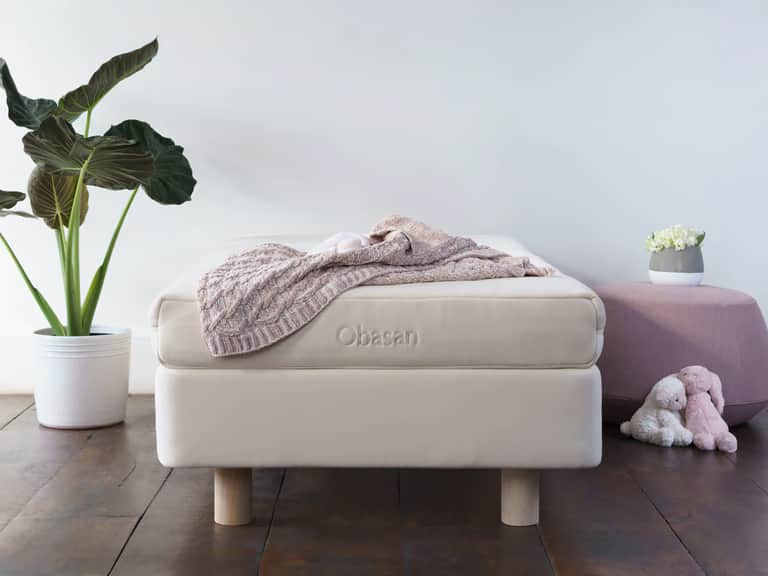
As you explore the market, you may encounter a range of products that exemplify the best of organic design and thoughtful safety protocols. Among the available options in this space, a standout example that aligns with our editorial standards is the Obasan Organic Dunlop Latex Mattress for Children. This model embodies the marriage of pure materials, certification integrity, and practical design principles that appeal to families seeking a durable, non-toxic sleep solution for children.
Product spotlight: Obasan Organic Dunlop Latex Mattress for Children
Overview: This mattress features two 3" organic Dunlop latex cores offering medium and firm firmness via an easy flip mechanism. It is encased in organic jersey cotton, with moisture-wicking wool, and is designed for children up to 150 pounds. The construction relies on GOTS-certified organic cotton, GOLS-certified organic Dunlop latex, and organic wool, all assembled in Canada. The result is a durably constructed, chemical-free sleep surface with minimal off-gassing and a focus on natural materials.
Why it fits the organic crib mattress narrative: The Obasan model emphasizes certified organic components, child-friendly firmness options, and an approachable care routine with a removable cover. It demonstrates how a crib-to-toddler transition product can maintain integrity while accommodating growth and evolving sleep needs. While this specific model targets a pediatric audience rather than an infant-specific crib mattress, it exemplifies the ethical and material standards that informed buyers might seek when evaluating organic sleep products for children and family use.
Application to crib considerations: For families focusing on infant sleep, this product illustrates the importance of core materials (latex) and the role of natural barriers (organic cotton cover and wool) in reducing off-gassing and enhancing breathability. When applying these principles to an infant’s crib, ensure the product you select is specifically designed for infant sleep or has clearly stated suitability for cribs, as weight and use-case differ from toddler-specific designs.
7) The editorial stance: how to maintain neutrality and credibility
In a field where marketing narratives can overshadow safety concerns, this guide remains committed to neutrality and evidence-based evaluation. We prioritize third-party certifications, transparent materials disclosures, and sources that provide verifiable information about the composition and safety of products. Our editorial approach favors long-form explanations, clear sourcing, and practical guidance that helps parents make confident decisions without pressuring them toward a particular brand or product.
Readers should feel empowered to question claims, compare alternatives, and consider their baby’s unique sensitivities and sleep patterns. We celebrate products and brands that practice transparency and demonstrate a commitment to safe, natural sleep environments. When a product meets strict standards and offers accessible documentation, it earns a place in our informed buying framework.
Conclusion: building a safe, sustainable crib sleep routine
Choosing an organic crib mattress is a meaningful step in cultivating a safe and nurturing sleep environment. It is an invitation to align daily routines with principles of health, safety, and environmental stewardship. By prioritizing certifications, understanding materials, and committing to thoughtful care, you create a cradle-to-childhood foundation that supports well-being now and as your family grows. The journey is about discernment, not impulse—about demanding evidence, asking questions, and embracing products that stand up to scrutiny while delivering comfort for your little one.
As you prepare your nursery and lay the groundwork for restful nights, remember that the most luxurious detail is a sleep experience free from worry. When babies rest, families flourish, and the home becomes a sanctuary built on transparency, quality, and care.
Additional resources and glossary
Glossary terms you may encounter:
- GOTS: Global Organic Textile Standard, a leading certification for organic textiles.
- GOLS: Global Organic Latex Standard, certification for organic latex products.
- CertiPUR-US: Certification for foam content and emissions quality.
- Oeko-Tex and Made Safe: Independent safety certifications focusing on chemical-free textiles and consumer safety.
For further guidance, consult official standards bodies and reputable sleep-health publications. Always verify certification claims through manufacturer documentation and the issuing bodies themselves.
Product note
Within this editorial framework, the following product from our catalog aligns with the discussed organic standards and infant sleep safety ethos:
Obasan Organic Dunlop Latex Mattress for Children
Two 3" organic Dunlop latex cores with medium and firm sides, covered in organic jersey cotton and moisture-wicking wool. Made with GOTS and GOLS certified materials, designed for children up to 150 pounds. Removable cover for care.
Price: 1239.00
Size options: Twin, TwinXL, Full, Queen
Certification signals: GOTS, GOLS (latex and textiles)