How Organic Materials and Sleep Health Intersect: Choosing an Organic Mattress for Better Rest
An eco-friendly bedroom isn’t just about a pretty palette; it’s about breathable materials, low-toxicity choices, and sleep health that supports your best nights. In this feature, we explore how organic mattresses and their natural materials shape temperature regulation, allergen exposure, and overall sleep hygiene. We’ll illuminate the science behind breathability, introduce iconic figures across time who have influenced our understanding of sleep and wellness, and spotlight a standout product that demonstrates how organic comfort can pair with everyday luxury.
Breathability as a Sleep Superpower
Breathability is more than a buzzword in the world of organic bedding. It’s a functional feature that directly affects core body temperature, moisture management, and the comfort you feel throughout the night. Organic mattresses—often built with natural latex, organic cotton, wool, and coconut-based bases—offer porous architectures that promote air circulation. This airflow helps dissipate heat and moisture, reducing the chance of overheating and night sweats.
Consider the role of latex in many organic mattresses. GOLS-certified organic Dunlop or Talalay latex provides a resilient yet breathable core that responds to pressure without trapping heat. Wool, another common component, offers natural moisture-wicking and temperature regulation that adapts across seasonal shifts. Organic cotton adds a soft, breathable shell that remains durable wash after wash. Taken together, these materials create a sleep surface that supports ideal thermoregulation, which in turn fosters deeper, more restorative sleep.
For sleepers who struggle with temperature swings, breathable layers can also help reduce sleep fragmentation caused by nighttime heat spikes. In turn, a cooler, drier sleep environment supports longer, more restful REM cycles and reduces awakenings tied to discomfort.
Allergen Reduction and a Cleaner Sleep Space
A key benefit of organic materials is the reduced exposure to synthetic chemicals and pesticides. GOTS (Global Organic Textile Standard) and other certifications ensure textiles avoid flame retardants, unnecessary dyes, and off-gassing compounds. Sleep health expert perspectives converge on the idea that fewer chemical irritants in the sleep environment can lessen nasal congestion, skin irritation, and inflammatory responses that disrupt rest.
Organic latex, cotton, and wool are typically processed with fewer chemical additives. This translates into a sleeping surface that’s not just healthier for your body, but also gentler on sensitive skin and breathing passages. For people with allergies or asthma, choosing products with transparent organic certifications can reduce exposure to common irritants found in conventional bedding.
Key Figures Across Time: 3 Personalities Shaping Sleep and Wellness
Hypatia of Alexandria (c. 370–415 CE)
A philosopher and mathematician whose pursuit of knowledge exemplified the value of inquiry and empirical observation. While not a sleep scientist by modern standards, Hypatia’s era championed rational thinking and the pursuit of knowledge—an ethos that informs contemporary explorations of sleep health as a science-based discipline.
Connection to sleep health: Benchmarking reasoned inquiry into how environments affect wellbeing, including rest quality.
Florence Nightingale (1820–1910)
Pioneer of modern nursing and hospital reform, Nightingale emphasized sanitary conditions and environment as drivers of health outcomes. Her work underscores how sleep quality is intertwined with overall health and recovery, a reminder that the bedroom is a critical zone of health optimization.
Connection to sleep health: Hygiene and environments influence well-being and recovery, a principle echoed in toxin-free, breathable bedding ideas today.
Dr. Matthew Walker (born 1977)
A contemporary sleep scientist and author of Why We Sleep, Walker has illuminated how sleep architecture, circadian rhythms, and environmental factors affect health. His work provides a modern blueprint for understanding how materials, temperature, and light influence sleep quality.
From ancient scholars to 20th-century health advocates to today’s sleep science communicators, the thread linking healthy sleep and organic living is a commitment to reducing exposure to chemicals, embracing natural materials, and designing spaces that regulate temperature and moisture. The following three profiles illustrate how the ethos of organic sleep has evolved:
- Marie Kondo (born 1984) — While primarily known for decluttering, her insistence on keeping spaces that spark joy translates into bedrooms that feel uncluttered, calm, and conducive to restful sleep. A tidy, breathable sleep space aligns with organic sleep principles.
- Dr. Michael Breus (born 1960s) — The Sleep Doctor who popularizes circadian-aligned routines. His guidance dovetails with choosing breathable, non-toxic sleep surfaces that support consistent sleep patterns.
- Dr. Sara Seager (born 1971) — An innovator in exoplanetary science who reminds us that environments matter. In sleep health terms, designing the right sleep environment—temperature, materials, and air flow—matters just as much as the stars do in distant worlds.
Guide to Essential Organic Materials in Mattresses
Latex: Natural Support with Breathability
Organic latex, especially when GOLS-certified, offers a responsive yet breathable core. It adjusts to your pressure points without retaining heat, contributing to a cooler sleep surface. Depending on preference, you can choose Dunlop or Talalay processing, each with distinct feels.
Cotton: The Gentle, Breathable Shell
Organic cotton layers provide a soft, breathable layer that helps wick away moisture. When paired with wool or latex, cotton enhances overall airflow and comfort, ensuring that the bed feels neither too hot nor too cold.
Wool: Temperature Regulation and Moisture Control
Organic wool is naturally breathable and moisture-wicking, keeping you warm in winter and cool in summer. It also acts as a natural flame-retardant and maintains loft without heavy chemical processing.
Certifications to Seek
Look for GOTS, GOLS, and GREENGUARD Gold certifications. They indicate reduced chemical exposure, fair trade practices, and low-emission products—factors that support healthier sleep environments.
Product Spotlight: Naturepedic Organic Wool Pillow
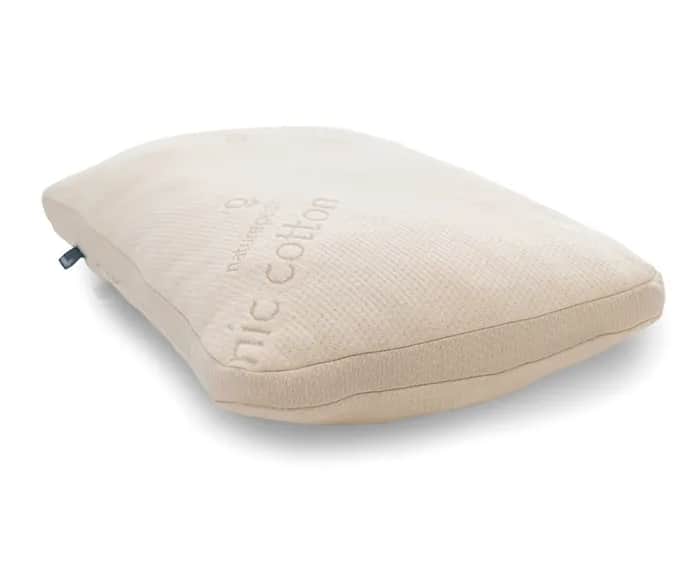
A standout choice from the curated catalog is the Naturepedic Organic Wool Pillow. This pillow embodies the organic sleep ethos: a wool-filled interior wrapped in a GOTS-certified organic cotton cover. Wool’s natural breathability and temperature-regulating properties help keep you comfortable all night, while the cotton cover provides a soft, skin-friendly surface. This pillow is designed to reduce heat buildup, which can be a common sleep disruptor for many people. It’s also hypoallergenic and resistant to dust mites, making it a practical option for allergy-sensitive sleepers.
- Filling: Organic wool, carefully sourced and cleaned.
- Cover: GOTS-certified organic cotton, breathable and soft.
- Care: Outer cover is machine-washable; the wool core should not be machine-washed to maintain loft and structure.
Image: Naturepedic Organic Wool Pillow (visual render)
Note: Visuals depict the pillow design and materials.
Low-Tox Maintenance: Extending Your Organic Mattress Life
Caring for organic bedding is about preserving breathability and preventing the buildup of allergens. A few practical practices can help:
- Use breathable, natural pillow and mattress protectors to guard against spills and dust mites without introducing harmful chemicals.
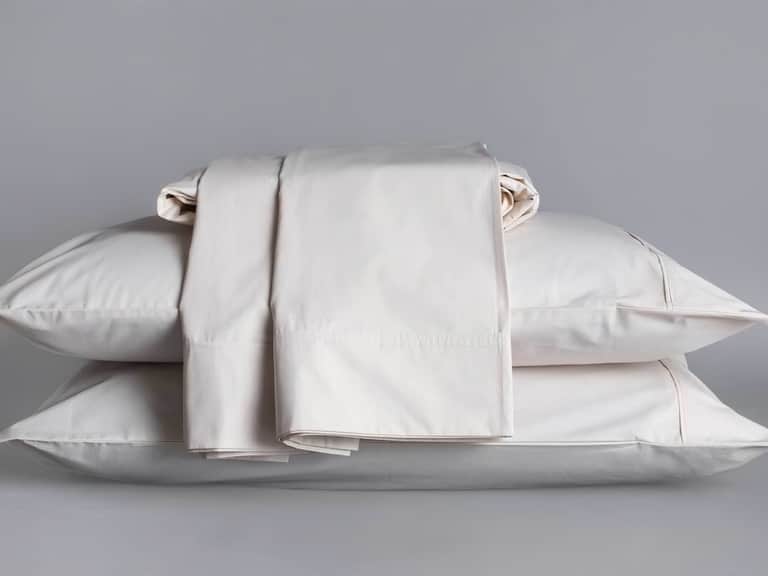
- Wash organic cotton sheets on warm or cool cycles using non-toxic detergents. Avoid chlorine bleach and avoid fabric softeners that can leave residues.
- Air out wool and latex components periodically to refresh loft and maximize breathability.
- Rotate or flip mattresses as appropriate for even wear, following the manufacturer’s guidelines to maintain performance.
By embracing gentle cleaning routines and temperature-conscious care, you preserve the integrity of organic materials and sustain a healthier sleep environment for years to come.
Conclusion: A Healthier Bed, A Healthier You
The intersection of organic materials and sleep health is not merely about choosing a mattress; it’s about crafting a sleep haven. Breathable latex, cotton, and wool—combined with transparent certifications—empower consumers to reduce exposure to potentially harmful chemicals while enjoying comfort, longevity, and better sleep hygiene. The knowledge shared by thinkers across eras—from Hypatia to Nightingale to contemporary sleep scientists—remains a thread that guides modern choices: thoughtful design, evidence-based living, and respect for the body's needs during its most essential ritual: sleep.