Sleep Health and Eco-Friendly Bedding: How Organic Mattresses Support Restful Nights
A tapestry of sleep science, material safety, and sustainable living, this piece explores how organic mattresses and eco-friendly sleep products shape not only how we rest, but how we feel when we wake. From temperature regulation to non-toxic coatings, the choices we make at night ripple into daytime well-being. This article weaves expert insights with tangible product options to illuminate a path toward healthier nights and a healthier planet.
Why Sleep Health Deserves an Organic Edge
Sleep health is a daily investment. Our bodies cycle through REM and non-REM stages, repairing cells, consolidating memories, and regulating hormones. Temperature, support, and breathing space are not mere comfort features; they are active contributors to the quality of sleep. An optimal sleep environment can enhance REM density, reduce awakenings, and boost morning mood.
Organic and natural materials matter here for two reasons. First, they influence indoor air quality. Conventional sleep products can off-gas volatile organic compounds (VOCs) and other additives. Second, organic materials often offer breathable, temperature-regulating properties — from natural latex to organic cotton and wool — that help your body regulate temperature naturally during the night. The right combination can create a sleep sanctuary that supports restorative rest and total peace of mind.
Material Safety and Indoor Air Quality
The materials inside a mattress and surrounding sleep products contribute to the air you breathe while you sleep. Over time, exposure to synthetics, flame retardants, and chemical treatments can impact comfort and respiratory health. Organic latex, GOTS-certified cotton, wool, and plant-based fills like PLA offer non-toxic alternatives that prioritize breathability and purity.
Consider this: a mattress made with natural Dunlop or Talalay latex sits atop a foundation of organic wool and cotton, without chemical flame retardants. A protective cover made from organic cotton jersey or a waterproof layer that’s free from PVCs can further reduce exposure to off-gassing agents. The result is a calmer sleeping environment with fewer irritants and a more balanced indoor climate.
Key Sleep Styles: How Organic Materials Support Different Needs
Sleep is personal. People align with different sleep postures, temperatures, and comfort preferences. Organic options offer versatile solutions that align with diverse needs.
Pillows and mattresses made from shredded organic latex or wool provide targeted neck and shoulder relief, while breathable cotton covers promote airflow. Medium-firm latex cores and wool-insulated comforters give stable support with temperature stability. Lightweight wool comforters, perforated latex layers, and sheet sets with high breathability help regulate warmth throughout the night.
Three Timely Voices: Perspectives Across Time
Sleep science and sustainable living have been shaped by voices from different eras. Here are three influential figures whose ideas echo in today’s organic sleep revolution.
1) Florence Nightingale (1820–1910) — The Precise Architect of Care
A trailblazer in sanitation and patient care, Nightingale’s insistence on clean environments and evidence-based practices laid early groundwork for modern standards in comfort and health. Her emphasis on air quality and cleanliness informs today’s obsession with non-toxic bedding and breathable fabrics. In the bedroom as in the hospital, the belief that environment shapes well-being remains a guiding light.
2) Rachel Carson (1907–1964) — The Quiet Revolution of Safe Materials
Carson’s eloquent warning about the unintended consequences of chemicals catalyzed a broad cultural shift toward safer, more natural products. Her legacy lives in today’s demand for organic cotton, natural latex, and plant-based fibers in sleep goods. Her work reminds us that the choices we make in nightly rituals contribute to planetary and personal health.
3) Jane Goodall (born 1934) — Conservation in Everyday Life
Goodall’s message of care for ecosystems translates into a commitment to sustainable, responsibly sourced sleep products. The idea that comfort can align with ethical stewardship resonates through organic wool duvets, responsibly sourced down, and cradle-to-grave thinking about mattress life cycles and recyclability.
The Intersection of Sleep Science and Organic Bedding
Sleep science tells us that temperature regulation, support, and airflow are central to a good night. Organic materials contribute to each of these elements in distinct ways:
Wool and latex naturally breathe, adapting to your body’s warmth and allowing moisture to wick away, helping you stay comfortable without overheating. Latex and latex-wool blends offer customizable firmness and contouring that support the spine in various sleep positions. Organic cotton and linen sheets, plus breathable pillow casings, promote airflow that sustains a stable sleeping climate.
The upshot: when you couple sleep science with organic materials, you create a cycle of better rest, improved daytime function, and a lower environmental footprint. It’s not merely a trend; it’s a holistic approach to well-being.
Practical Guide: How to Build an Organic Sleep Sanctuary
Whether you’re starting fresh or upgrading an existing setup, here’s a practical framework for building a sleep space rooted in organic materials and scientific sleep health.
Look for natural latex cores or certified organic cotton layers. Consider a mattress with a non-toxic fire barrier and a breathable foundation that fits your sleep posture and heat preferences. Example pick: a latex mattress made with Dunlop or Talalay latex and a cotton cover to optimize contour and airflow. Invest in 100% GOTS-certified organic cotton sheet sets, a duvet cover, and pillow protectors. Prioritize moisture-wicking weaves and breathable fibers to maintain a cooler night’s rest. Choose pillows filled with shredded organic latex or natural wool for temperature regulation and neck support. A pillow with a removable cover or a washable outer layer makes maintenance easy. Consider a mattress protector with a non-toxic barrier and an encasement to shield against dust mites while staying breathable. Pair your organic bedding with a consistent bedtime routine, mindful breathing, and a cool-to-warm temperature gradient in your room to optimize your circadian rhythm.
Product Spotlight: A Closer Look at an Organic Wool Pillow

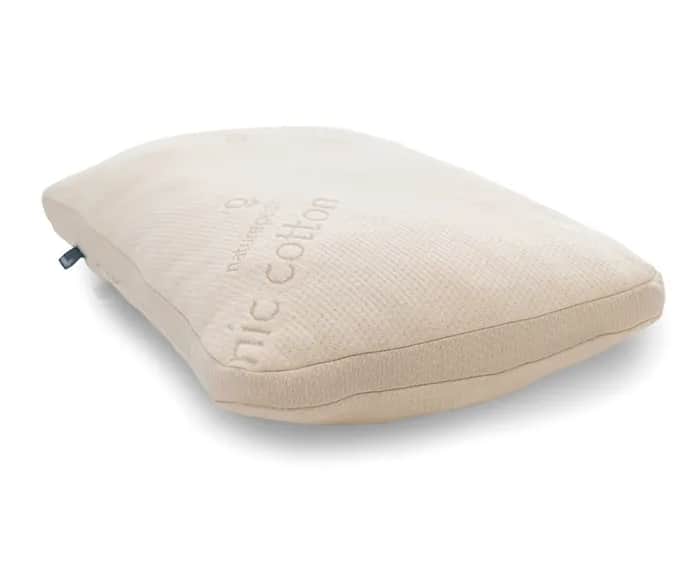
Naturepedic Organic Wool Pillow
A signature pillow for warmth and breathability, featuring small wooly bolus fillings encased in a GOTS-certified organic cotton cover. The wool’s natural temperature regulation keeps you cozy in winter and cool in summer, while remaining hypoallergenic and resistant to dust mites.
Care: Removable cover; machine-washable outer layer; spot clean the core as needed. Dimensions: Standard 20" x 26", Queen 20" x 30", King 20" x 36".
This pillow exemplifies the principles discussed: organic materials, breathable construction, and long-lasting comfort. It’s a practical example of how you can incorporate a single product that embodies the broader sleep-health and eco-friendly ethos of an organic bedding strategy.
Editorial Insight: A Broader View on Bedding and Sleep Wellness
In the world of sleep health, the intersection of science and sustainability is no longer a niche. It’s a mainstream conversation about quality of life, energy, and climate impact. The materials you choose for your sleep surface—certified organic cotton, natural latex, wool, and PLA fibers—play a tangible role in your well-being and in the health of the planet.
Editorially, the aim is to deliver a narrative that balances expert-informed guidance with accessible, lifestyle-conscious choices. The emphasis remains on verifiable safety, breathable materials, and durability, ensuring your investments in organic bedding pay dividends in better sleep and fewer product cycles going to landfills.
Conclusion: A Nightly Commitment to Sleep Health and Sustainability
Opting for organic mattresses and eco-friendly sleep products is more than a purchase—it’s a nightly ritual and a lifestyle choice. By prioritizing temperature regulation, supportive materials, and non-toxic finishes, you set the stage for deeper, more restorative sleep. Coupled with a broader commitment to sustainable living—reliable care, responsible manufacturing, and mindful disposal—the sleep you get each night becomes a small act of personal and planetary care.
As you consider your next upgrade, remember the three pillars: safe materials, optimized sleep mechanics, and a sustainable footprint. When these align, the mornings feel brighter, mornings feel lighter, and the entire day follows with a steadier rhythm.
References to Organic Bedding Options Mentioned
Naturepedic Organic Wool Pillow — a centerpiece example of organic cotton cover and wool fill, delivering breathable warmth and long-term comfort. Price: $199.00.
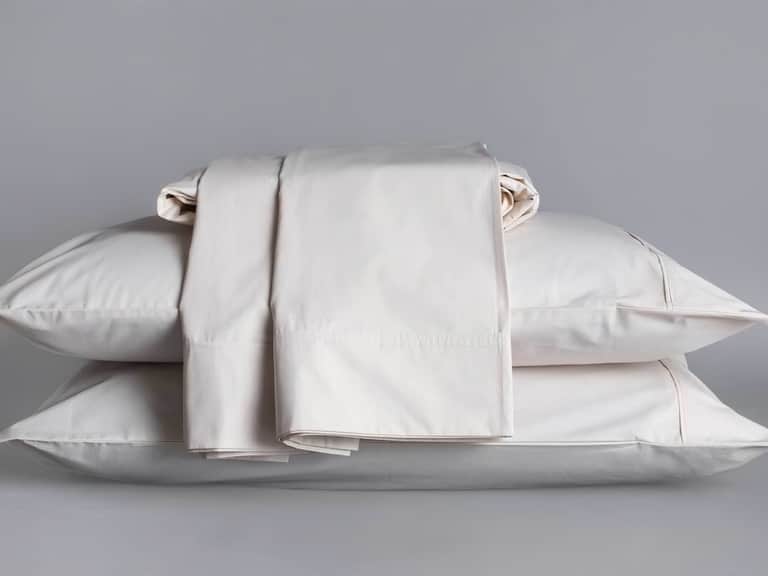
Sleep and Beyond Organic Cotton Percale Sheet Set — 270-thread-count organic cotton percale, breathable and crisp, designed for hot sleepers. Price: $169.00.
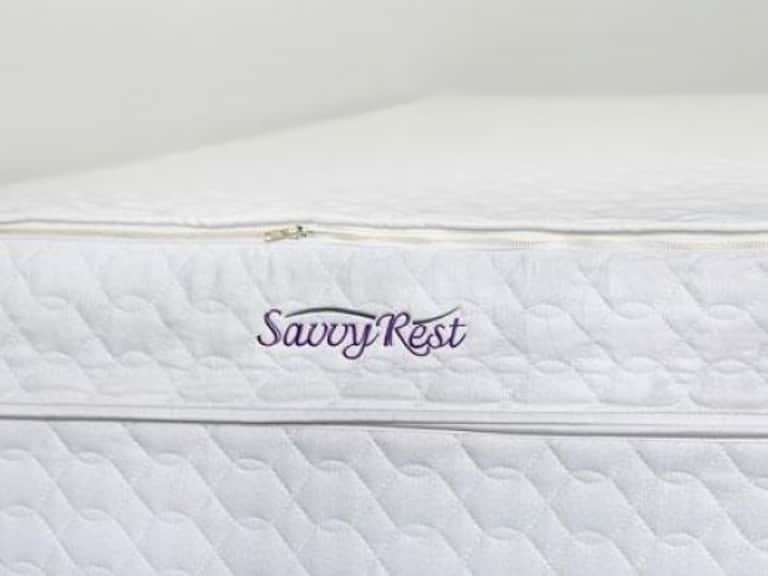
Savvy Rest Tranquility Latex Mattress — two layers of natural latex with organic cotton cover, offering customizable firmness. Price: contact for current pricing.
Product Gallery (Selected Items)

Naturepedic Organic Wool Pillow
GOTS-certified organic cotton cover; breathable wool fill.

Naturepedic Organic Cotton and PLA Pillow
Organic cotton shell; PLA fiber filling from renewable resources.

Naturepedic Organic Supima Sheet Sets
Extra-long staple Supima cotton with 300-thread-count, luxury softness.